Your team

The team behind this light-source comparison

The Plastic Surgery & Aesthetics Medical Center at Chongqing West District Hospital is led by four consultants working inside a tertiary general hospital. Ke He, MD, is responsible for the medical review of this site. Choosing between two light sources genuinely involves the other three: the dermatological diagnosis that decides whether a lesion should be treated at all, the correction of faces already changed by treatment, and the surgical boundary where light stops being the right instrument.

Specialist profiles

Who reviews this content

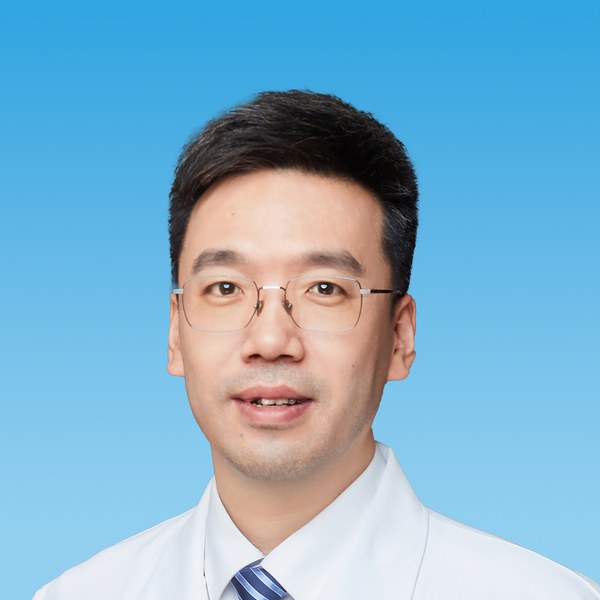
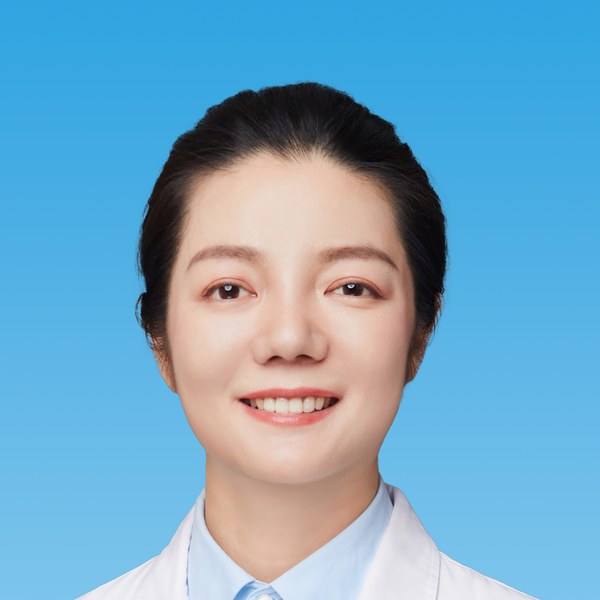
Ke He

Ke He (何锞)

Deputy Director & Head of Skin & Laser Aesthetics · Attending Physician, Licensed Aesthetic Attending · Lead Physician of This Site

Skin & laser aesthetics · light-based treatment planning

Dr. Ke He is Deputy Director of the Plastic Surgery & Aesthetics Medical Center and head of its skin and laser aesthetic service at Chongqing West District Hospital, with more than 20 years on the clinical front line.

Broadband light and picosecond-domain pulses are not two versions of one treatment, and Dr. He does not present them that way. Her part of this site is the assessment that comes first: what the pigment or the redness actually is, how deep it sits, how this skin is likely to respond, and therefore which of the two light sources — or neither — is the one that matches it.

Clinical focus

  • Assessment of pigment and vascular lesions before any light-based treatment
  • Broadband light and picosecond-domain laser planning, and their honest limits
  • Skin-type and sun-exposure assessment that decides the risk of pigmentary change

The light source follows the target

A broad spectrum and a picosecond pulse are chosen because of what they can reach, not because one of them is newer. Redness spread across a cheek and a single dark spot on the same cheek are different problems, and they are not treated by the same light. The assessment decides; the equipment does not.
Yongbo Jia

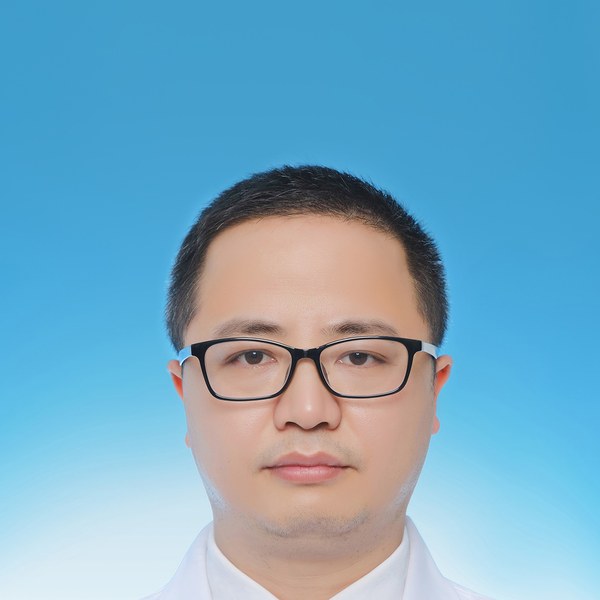
Yongbo Jia (贾勇波)

Deputy Director & Head of Dermatology · Vice Chief Physician, Licensed Aesthetic Attending

Dermatology · diagnosis and complication management

Dr. Yongbo Jia is Deputy Director of the Plastic Surgery & Aesthetics Medical Center and head of dermatology at Chongqing West District Hospital, trained at the Institute of Dermatology, Chinese Academy of Medical Sciences.

Not everything dark or red on a face is a cosmetic problem, and light applied to the wrong lesion delays a diagnosis instead of improving it. Dr. Jia’s part of this decision is the dermatological one: skin disease, lesions that are new or changing, and the pigmentary and inflammatory conditions that light treatment can aggravate rather than settle.

Clinical focus

  • Dermatological diagnosis before light-based treatment
  • Pigmentary and inflammatory conditions that light can worsen
  • Complications of light-based treatment and barrier repair
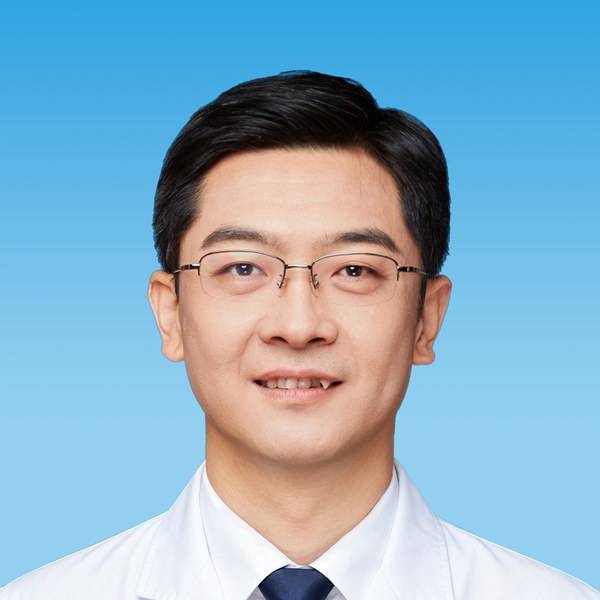
Shaoliang Wang

Shaoliang Wang (王韶亮)

Director, Plastic Surgery & Aesthetics Medical Center · Vice Chief Physician, Associate Professor, Doctor of Medicine

Plastic surgery · complex cases · revision

Dr. Shaoliang Wang is Director of the Plastic Surgery & Aesthetics Medical Center at Chongqing West District Hospital, and previously served as Deputy Chief of Plastic and Aesthetic Surgery at Xinqiao Hospital, affiliated with Army Medical University. He is the second opinion a face that has already been treated, or changed by treatment, is brought to.

Clinical focus

  • Complex cases and correction after failed cosmetic treatment
  • Scar revision and comprehensive scar management
  • Tertiary-hospital surgical support
Tongchun Mao

Tongchun Mao (毛彤春)

Deputy Director & Head of Aesthetic Surgery · Vice Chief Physician, Licensed Aesthetic Attending

Aesthetic surgery · facial rejuvenation · the surgical boundary

Dr. Tongchun Mao is Deputy Director of the Plastic Surgery & Aesthetics Medical Center and head of its aesthetic surgery service at Chongqing West District Hospital, and a core specialist formerly at the Plastic and Aesthetic Surgery Department of Xinqiao Hospital, affiliated with Army Medical University, with more than 20 years of clinical practice. His part in this comparison is the surgical boundary: the lesions that need excision or a sample taken, and the laxity and volume loss that no light source changes.

Clinical focus

  • Lesions that require excision or sampling rather than light
  • Facial rejuvenation, and the limits of non-surgical treatment
  • Facial surgery, including revision after previous treatment

Academic roles & achievements

  • Member, Rhinoplasty and Trunk Tumor Groups, Chinese Medical Association Plastic Surgery Branch
  • Member, Chongqing Medical Aesthetics Quality Control Center; Member, Chongqing Medical Accident / Disability Assessment Expert Pools
  • Deputy Chair, Chongqing Shapingba District Medical Aesthetics Committee
  • Published 5 SCI papers, holds 7 national patents, and has participated in 4 research projects
  • Repeatedly named an “Outstanding Young Physician” at Xinqiao Hospital since joining in 2005

Not sure which light source your skin needs?

An assessment starts with what is on the skin rather than with which device is available. We will say plainly what the lesion appears to be, which light source — if either — matches it, and what we would advise if the answer is neither.

Contact the Team